Landing a role in a new country is rarely about being the strongest candidate on paper — it is about being the most legible one. A resume that wins interviews at home can quietly underperform abroad, because hiring norms, document formats, and even the exact words recruiters search for change from market to market. This guide walks through how to tailor your resume for international roles so it reads like a local application, clears the software filters, and actually reaches a human being.
Why a local-market resume matters
Recruiters spend only seconds on each application, and that first scan is shaped by what they expect a "normal" resume to look like in their country. When your document follows an unfamiliar structure — the wrong length, an unexpected photo, headings in the wrong order — it creates friction, and friction loses interviews. Tailoring your resume for international roles is not about reinventing your career; it is about presenting the same experience in a format the local market instantly trusts. Done well, a localized resume signals something hiring managers quietly look for in any relocating candidate: the awareness and adaptability to thrive in a new environment.
1. Research the local resume format first
Before you change a single bullet point, learn what a strong application looks like in your target country. Expectations around length, layout, and personal information vary widely — a German CV, a UK CV, and a US resume are genuinely different documents. Look at sample resumes from your industry in that market, study how people in similar roles present themselves on professional networks, and note the conventions that repeat.
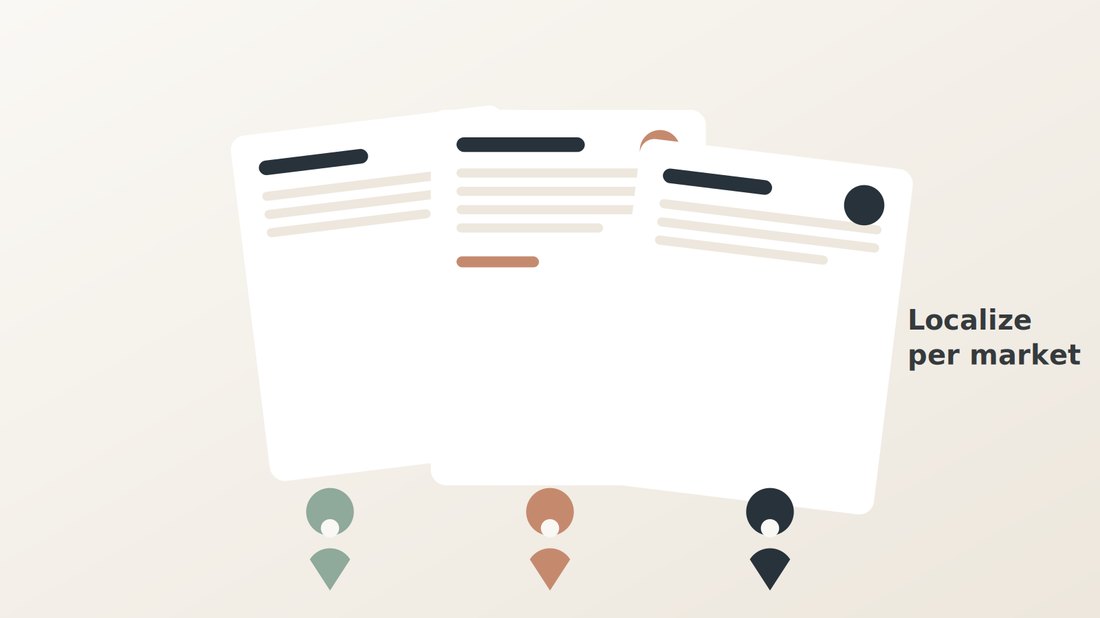
Length, photo, and personal details
Some markets prefer a concise one-page resume; others expect a two-page CV that covers your full history. A photo and date of birth are routine in parts of continental Europe, Latin America, and Asia, but are deliberately omitted in the US, UK, Canada, and Australia, where anti-discrimination norms discourage them. The safest move is never to assume: match the personal details to local practice, and when in doubt, leave out anything that could invite bias rather than add value.
2. Translate your impact into numbers
When a recruiter has never heard of your previous employers, your job titles and company names do little of the persuading — your results do. Lead each bullet with the outcome and a number so your value is obvious at a glance, regardless of how familiar the reader is with your background. "Grew regional revenue 38% in 18 months" travels across borders; "responsible for sales" does not. Quantify wherever you honestly can: percentages, revenue, headcount, time saved, users reached. Numbers are the closest thing a resume has to a universal language, and they make your impact legible to someone reading in their second tongue.
3. Mirror the job description and beat the ATS
Most medium and large employers screen applications through an Applicant Tracking System (ATS) before a recruiter ever sees them. The ATS looks for the specific terms in the job description, so the fastest way to clear that first filter is to use the employer's own language — the exact skills, tools, and role keywords they list — naturally throughout your resume.

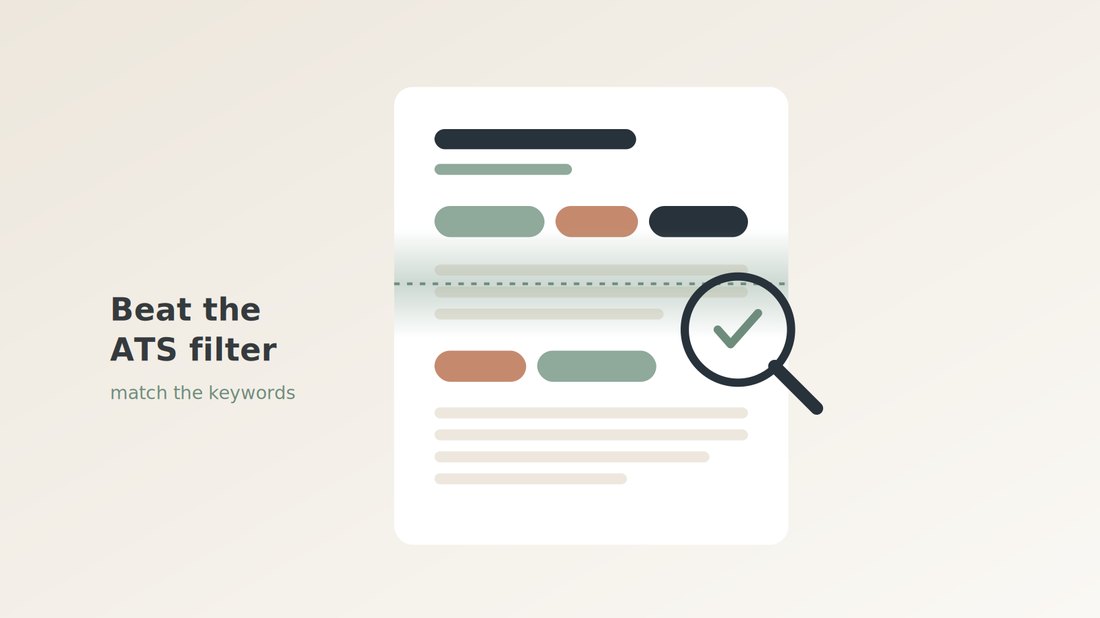
Keep the formatting clean and machine-readable: standard section headings, a single column where possible, no critical information trapped inside images, headers, or text boxes. Mirror the job title the company uses, and weave in the keywords where they genuinely fit your experience — never as a hidden block of text, which modern systems flag. The goal is simple: be the application that contains the words the recruiter is searching for.
4. Be clear about work authorization and visa status
For an international role, your right to work is one of the first questions a hiring manager has, so address it head-on when it helps your case. If you already hold a relevant visa, permanent residency, or citizenship, state it plainly near the top — it removes a major perceived risk and moves you up the shortlist. If you would need sponsorship, be honest but strategic: lead with your strengths, and frame your authorization status factually rather than apologetically. Clarity here reassures employers that hiring you is straightforward, which is exactly the impression a relocating candidate wants to create.
5. Localize the small details
The finishing touches quietly signal that you understand the market. Use the local spelling conventions (for example, "organisation" versus "organization"), the local date format, and a phone number with the correct country code. List your location in a way that reflects where you will be based or your willingness to relocate. If your qualifications come from a different education system, add a short, recognizable equivalent so the reader does not have to guess. None of these changes is large on its own, but together they make your resume feel native rather than foreign.
Your pre-send checklist
- The format, length, and personal details match local norms for your target country.
- Every bullet leads with a result and, wherever possible, a number.
- The job title and keywords from the posting appear naturally in your resume.
- The layout is clean and ATS-readable — no critical text locked in images or boxes.
- Your work authorization or visa status is clear when it strengthens your case.
- Spelling, dates, phone format, and qualifications are localized for the market.
Common mistakes to avoid
A few recurring errors quietly sink otherwise strong international applications. Steer clear of these and you will already be ahead of most of the pile:

- Sending one generic resume everywhere. The same document rarely fits two markets — adapt the format and keywords each time.
- Including a photo or date of birth where they are discouraged. In the US, UK, Canada, and Australia these can work against you.
- Listing duties instead of results. Responsibilities describe a job; quantified outcomes describe you.
- Ignoring the ATS. Creative layouts that look beautiful to humans often confuse the software and never get read.
- Hiding your work authorization. When your status is a strength, burying it only creates doubt.
Frequently asked questions
Should I use one resume for every country?
No. A single master resume is a useful starting point, but you should adapt the format and emphasis for each market and ideally each role. The core content stays the same — the presentation, keywords, and personal details change.
Do I need to translate my resume?
Translate it when the role or company operates primarily in the local language; otherwise a polished English resume is often expected, especially in international and tech-driven roles. When you do translate, have a native speaker review it so the phrasing reads naturally rather than literally.
How long should an international resume be?
It depends on the market: one page is the norm in the US, while a two-page CV is standard across much of Europe and the UK for experienced professionals. Match the local expectation rather than forcing your history into the wrong length.
Tailoring your resume for international roles is a small investment that pays off at every stage of the hunt — a locally-aware, keyword-matched, results-driven resume reads as someone who already understands the market they are entering. If you would like a second pair of eyes, our Career Package includes a fully localized resume built for your target country, and our membership library covers the rest of the move.